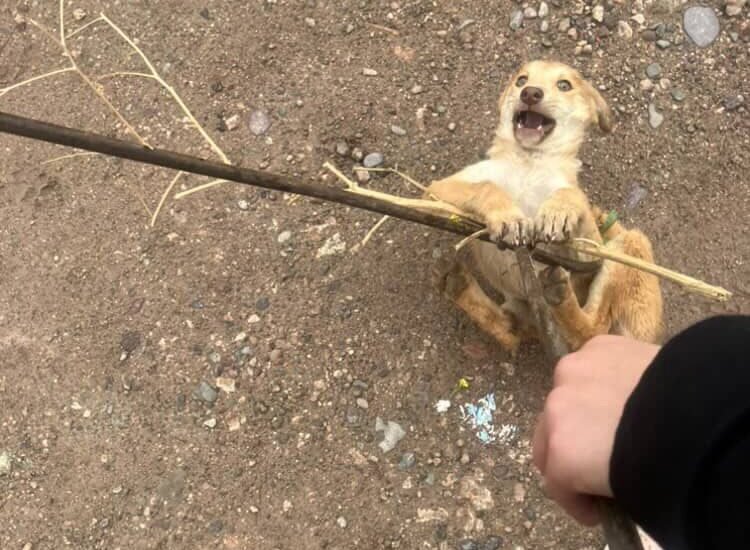
The International Animal Welfare Protection Coalition (IAWPC) has written an open letter to FIFA Secretary General Mattias Grafström after receiving disturbing new evidence of dogs reportedly being shot and poisoned in Moroccan towns and cities.
The coalition says the incidents directly contradict assurances given by Morocco during its successful bid to co-host the tournament with Spain and Portugal.
FIFA’s November 2024 Bid Evaluation Report recorded Morocco’s claim that “since August 2024 the culling of animals is prohibited in the country”.
However, the IAWPC says footage recently supplied to the organisation appears to show a dog being poisoned by injection in Kenitra and another being shot in broad daylight in a public square in Tinghir as other terrified animals flee.
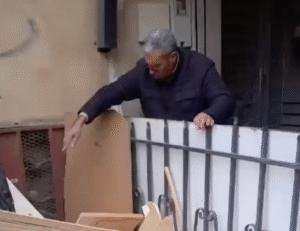
It has also received evidence of dogs allegedly being shot in Jerada before their bodies were collected from the streets using a mechanical digger.
The coalition claims to have obtained Purchase Order No. 42/2026/C.J., issued by the Commune of Jerada, relating to the purchase of 1,125 hunting shotgun cartridges for the culling of dogs.
According to the letter, residents heard gunfire and dogs crying out between 3.30am and 5.20am on July 21. Photographs reportedly taken that day show the bodies of dead dogs being removed in the bucket of a JCB digger.
Les Ward MBE, chairman of the IAWPC, said: “Morocco’s assurances that the killing of dogs has been prohibited since August 2024 is a lie.
“FIFA has been given hours of film and other evidence of dogs still being shot, poisoned, caught and killed in Moroccan towns and cities.
“Each new incident represents another breach of the assurances upon which Morocco’s World Cup bid was assessed. Yet FIFA continues to remain silent.”
The open letter highlights a passage on page 47 of FIFA’s Bid Evaluation Report stating that information, statements, plans and proposed measures submitted during the bidding process are legally binding on the member associations involved.
Campaigners are now asking FIFA to explain its position and enforce the commitments made as part of Morocco’s bid.
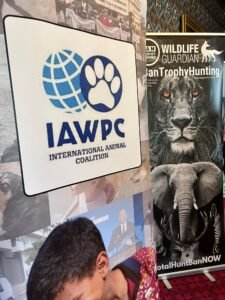
The IAWPC is an international coalition of more than 80 animal welfare organisations campaigning to prevent the mass killing of Morocco’s free-roaming dogs before the 2030 World Cup.
It has built an extensive evidence library documenting alleged shootings, poisonings, beatings, brutal captures and appalling conditions inside pounds.
Campaigners fear as many as three million dogs could lose their lives as Morocco attempts to remove free-roaming animals from areas visited by tourists and football supporters.
Instead of killing, the coalition is calling for a humane nationwide programme based on catching, neutering, vaccinating and returning dogs to the communities in which they live.
Such programmes are designed to reduce street dog populations gradually while also protecting public health through vaccination.
In its letter, the coalition urged FIFA to demand an immediate end to the shooting, poisoning and other brutal killing of free-roaming dogs.
It also called on the football governing body to support a transparent and scientifically effective catch, neuter, vaccinate and return programme, and to meet urgently with the IAWPC and Moroccan animal welfare organisations documenting the alleged incidents.
Mr Ward said the violence was not only an animal welfare catastrophe but was also affecting residents, including children, who may witness dogs being killed in public places.
He said: “How many wake-up calls does FIFA need before, as is likely, three million dogs inhumanely lose their lives for their World Cup tournament in 2030?
“FIFA cannot continue to accept hollow assurances from the authorities that are contradicted by evidence emerging every day from Morocco’s streets.
“FIFA must enforce its agreement with the Government of Morocco, hold the authorities to account and stop the killing.”
The coalition also paid tribute to Moroccan citizens and animal welfare organisations campaigning for change, often at considerable personal risk.
It said decisive action from FIFA would offer vital support to those struggling to make their voices heard and help prevent the tournament from becoming associated with large-scale animal cruelty.