
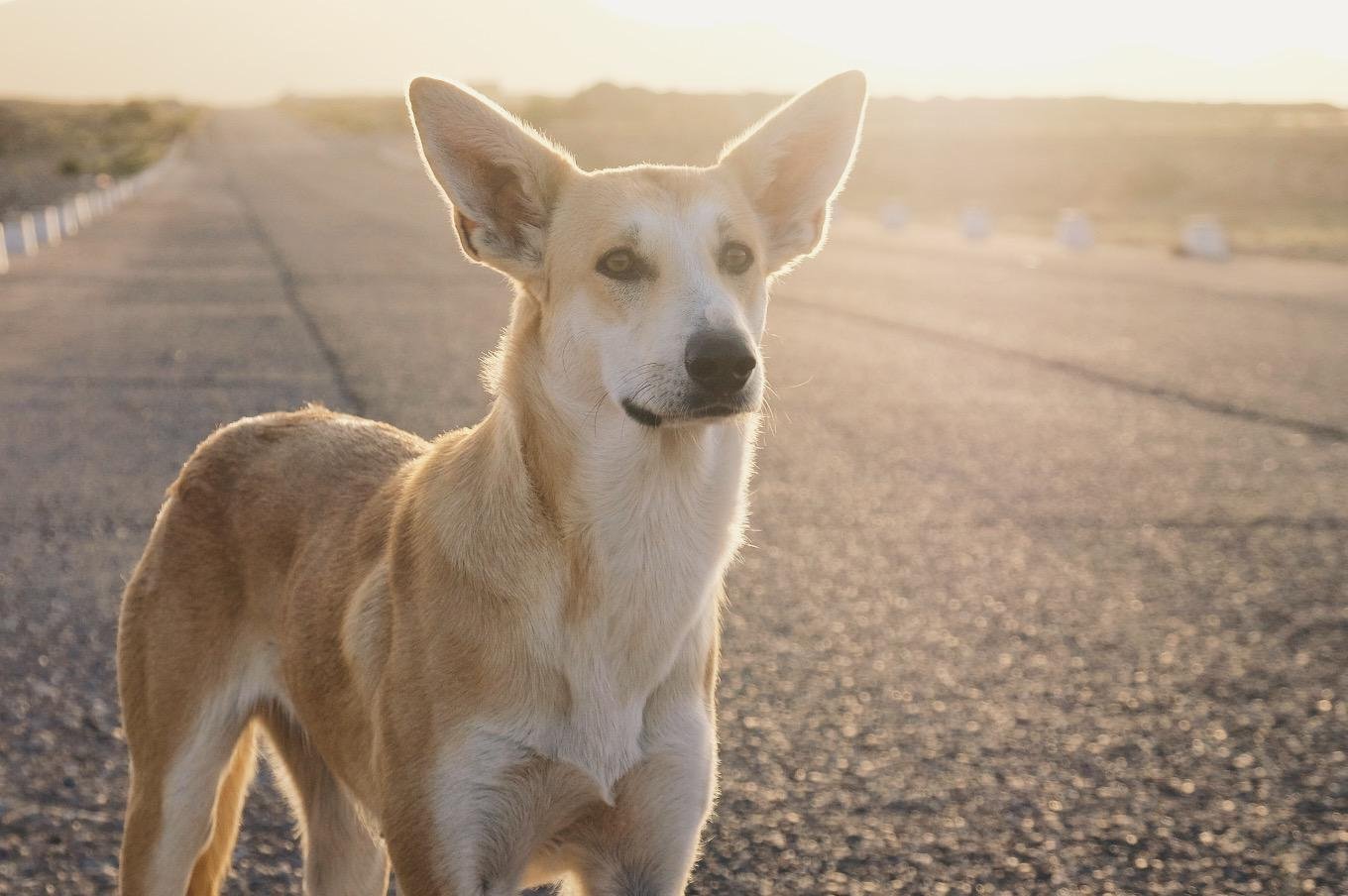
A globetrotting vet who rescued a desert stray after she ran 80 kilometres alongside her has spoken out about the mass killing of street dogs in Morocco, saying, “All of these dogs are just like her.”
Emily Lawson, 29, was born in the Cayman Islands, raised in New Zealand and trained as a veterinarian before working across the world, from the USA to Peru and Botswana. In 2025 she worked as a locum vet across Britain, from Plymouth to the Isle of Man, before moving into remote telemedicine.
But it was a sunrise encounter on the edge of the Sahara, near El M’hamid in southern Morocco, that changed her life.
“We met Hara at sunrise as we were leaving the southern Sahara,” Emily said. “From the instant we met her she was so friendly and had this real sense of joy about her. I think she just wanted to play, little did she know that would turn into running 80km that day, and eventually moving country.”
Hara, a sandy-coated street dog, kept pace across punishing terrain. She is now living safely in Norway, where she bounds through snow, peers out of train windows and even pulls Emily along on skis.
“Hara is the most adaptable and resilient dog I have ever met,” she said. “Nothing seems to shake her. Negative temperatures and snow everywhere, she’ll run and play.”
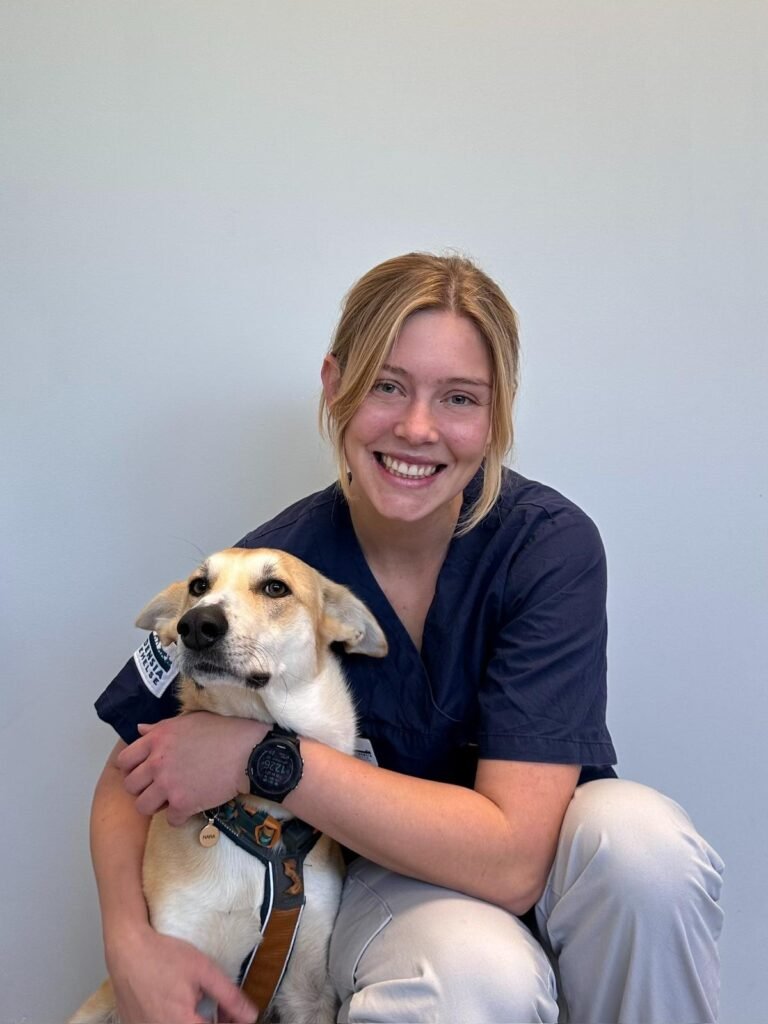
Her story went viral in Morocco, sparking national pride and even wild rumours that she had died. “It was like she’d become a full blown celebrity,” Emily said. “Many people seemed so proud she is a Moroccan dog, just as I am proud telling the story of how far she ran.” Yet behind the feelgood headlines lies a far darker reality.
Morocco has been under intense scrutiny over the killing of street dogs, amid preparations for the 2030 World Cup. Emily did not witness the shootings herself, but says the images she has seen are “horrific”.
“I am so glad I didn’t have to see that in real life, but I am still unable to unsee those images,” she said. “It doesn’t change the fact that it is happening.”
She describes the widespread killing of street dogs as “a cruel attempt at population control” that worsens public fear without addressing long term public health.
“As a veterinarian, I cannot see a way to long term control without some form of tag, neuter, vaccinate and release programme,” she said.
Emily points to her experience volunteering in Botswana with the Maun Animal Welfare Society as proof that humane alternatives work. “It was such a contrast and a positive example of how street dog populations can be managed within a community. Their impact was so widespread.”
Now she has added her voice to the campaign led by the International Animal Welfare and Protection Coalition (IAWPC), a group of more than 80 organisations including the RSPCA and Dogs Trust, which is urging Moroccan authorities and football’s governing bodies to back humane dog population management.
“Imagining Hara going through this unselective killing and dying in such a cruel way really breaks my heart,” Emily said. “All of these dogs are just like her. I hope people can picture Hara as one of them and think what they would do to stop that killing.”
Now in Norway, Hara runs free in the snow. In Morocco, millions of dogs like her face an uncertain future.
Les Ward MBE, chairman of the International Animal Welfare and Protection Coalition, said: “We are incredibly grateful to Emily for speaking out. Hara’s story shows the world what these dogs are joyful, loyal and full of life. We thank Emily for using her professional expertise and her voice to support our campaign and to highlight that humane, community based solutions are not only possible, they are essential to bring this inhumanity in Morocco to an end.”
Find out more at www.iawpc.org